

Your new life in south-west France starts with the right questions.
The independent guide to buying, moving and living in the Duras region — visas, taxes, cost of living, and the good life in wine country. Everything you need, from people who live it.
Start your research here.
The move raises a hundred questions before it raises one about houses. We answer them properly — clear, current, and specific to this corner of France.
Buying property
The French purchase process end to end — offre, compromis, the notaire, fees and timelines — with no nasty surprises.
Read the guides →Visas & residency
The 90/180-day rule, long-stay visas and residence permits — what's changed since Brexit, and what you actually need to do.
Read the guides →Taxes & money
French property taxes, income and inheritance rules, and moving money across the Channel without losing your shirt on the rate.
Read the guides →Healthcare
Registering with the French system, the carte Vitale, GPs and hospitals — and how it works for retirees and early movers.
Read the guides →Cost of living
What life really costs here — utilities, groceries, wine, eating out and running a home — versus what you're paying now.
Read the guides →Daily life & culture
Schools, markets, the château events, the wine appellation and the rhythm of a village that's lively year-round.
Read the guides →One region. A dozen ways to fall for it.
From the Dropt valley around Duras out across Lot-et-Garonne, the Dordogne and towards Bordeaux — and, at the heart of it, the town we know best.
Duras
A thriving château town above the vineyards — shops, restaurants, a 12th-century fortress and some of the best-value wine in France. The complete area guide.
Eymet
Bastide town, big English-speaking community, Thursday market.
Monségur
Hilltop bastide, weekly market, gateway to Bordeaux & Sauternes.
The questions everyone asks first.
Six things people want to know before they get as far as looking at houses. Each answer opens out into a full guide.
Where exactly is the Duras region?
What does it actually cost to live here?
Can I still move to France from the UK after Brexit?
Does buying a house give me the right to live in France?
What should I budget on top of the purchase price?
How does healthcare work once I am here?
The Complete Guide to Moving to the Duras Region.
- Step-by-step buying process & realistic budgets
- Visas, residency & the post-Brexit rules, explained
- Cost-of-living breakdown & area-by-area comparison
- A local expert's shortlist of villages to view first
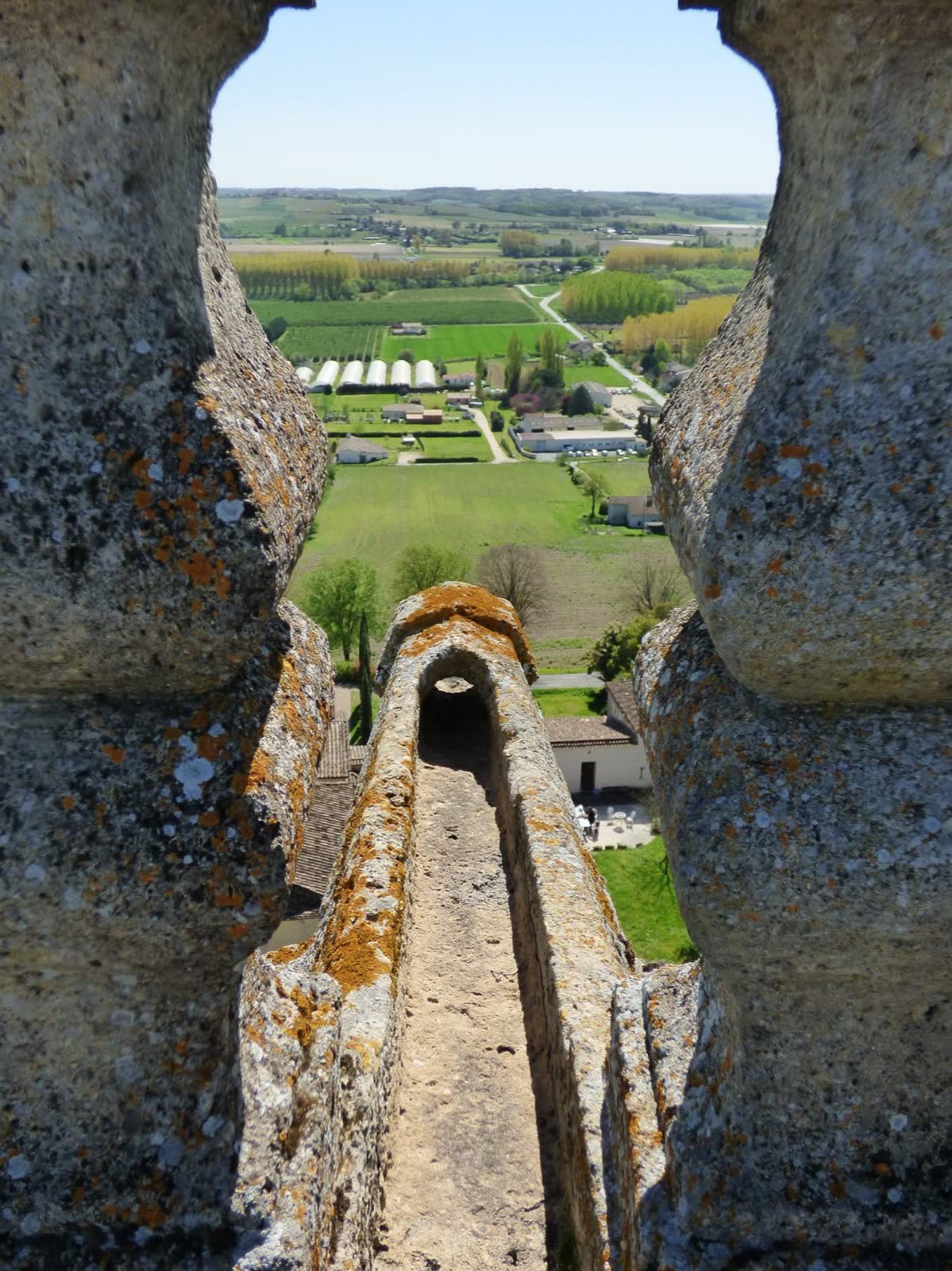
Written from inside the region.
Most of what is published about this corner of France is written from somewhere else, in August, by someone who has never queued at a prefecture or waited five months for a roofer. This guide is the opposite of that: sixty detailed guides and a full relocation handbook, written from the Dropt valley, through all twelve months of it.
It tells you the unglamorous parts too, because those are the parts that decide whether a move works. When you are ready to take it further, the free guide is the place to start.
The dream is closer than the paperwork makes it look.
Get the free guide, take your time, and when you're ready we'll be right here in Duras to help you make it real.
Download the free relocation guide ↓